Preparing Your Golden Retriever for a Photo Session: A South Shore Owner's Checklist
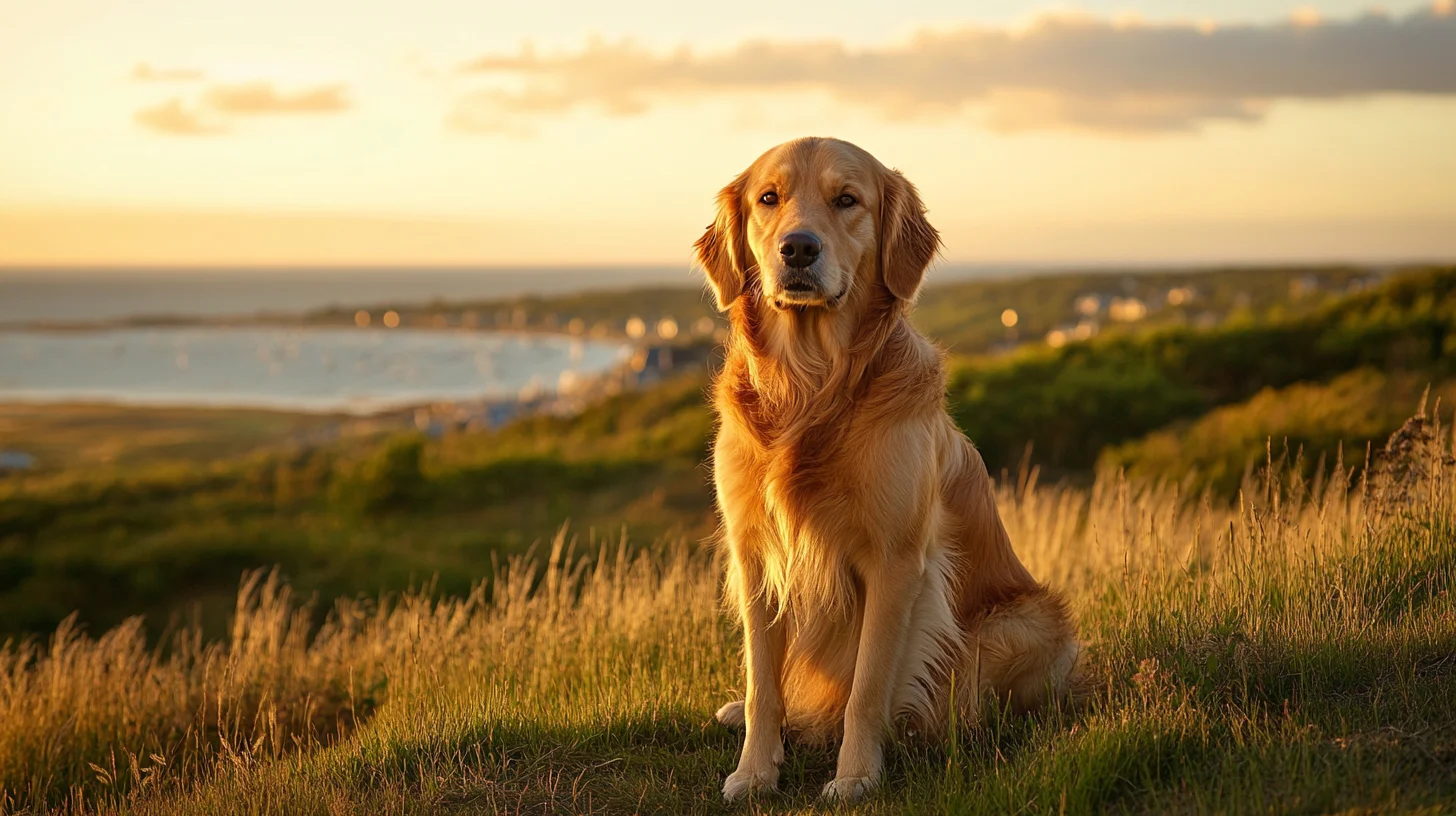
This is not a guide to how I photograph golden retrievers — that's a separate post on backlight, catchlight, and coat-tone technique. This is a guide to what you can do as the owner before and during a session to make sure your golden looks like the best version of themselves on camera. The technical work is mine. The preparation work is yours, and it matters more than most golden retriever owners realize.
I photograph golden retrievers regularly across the South Shore. The owners who get the strongest results are not the ones with the most cooperative dogs — they're the ones who arrive prepared. Here is the checklist I wish every golden owner had before their session.
1. Book by Your Dog's Age, Not by the Calendar
Most golden retriever owners book a session because of an external trigger — a holiday card, a milestone, a vacation coming up. The owners who get the most meaningful portraits book by their dog's age instead. Goldens have a median lifespan of 10 to 12 years, and the breed shows visible aging earlier than most owners expect. By 7 or 8, the muzzle is greying. By 9 or 10, the gait changes. The window for the “in their prime” portrait is narrower than it feels.
My recommendation: book at least one session in your dog's peak adult years (3 to 6), and another the year you first notice age-related changes. Do not wait for a reason. The reason is that they are alive now, and they will not be at this exact stage of life again.
If your golden is already a senior, book the next available session. I have done enough end-of-life portraits to know that “next month” sometimes turns into never. This is the single most common regret I hear from golden owners.
2. Time the Session Around Coat Condition
Goldens shed twice a year — heavy spring blowout in April/May and a lighter fall shed in September/October. A golden mid-blowout photographs noticeably differently than a golden whose coat has come in fully. The undercoat looks patchy, the rim light catches loose hair instead of the topcoat's clean line, and the silhouette is softer than it should be.
If you can choose your timing, the strongest coat windows on the South Shore are mid-June through August (after the spring shed completes) and late October through December (after fall shed, with the winter undercoat thickened). If you book during a shed, that's fine — I'll work with what we have — but a thorough deshedding session with a Furminator or a trip to a groomer 3 to 5 days before the shoot makes a meaningful difference.
Do not bathe your golden the day of the session. Same-day baths leave the coat too soft and slick — the texture and structure that gives a golden coat its shape on camera is gone. Bathe two to three days out so the natural oils have time to return.
3. What to Bring on the Day
I bring all the photography gear. You bring what your specific dog needs to be at their best. The default kit:
- High-value treats your dog rarely gets at home. Boiled chicken, freeze-dried liver, or string cheese — something more interesting than their daily kibble. This is your single most important piece of leverage for getting attention on cue.
- A favorite squeaker toy. Used sparingly. The first squeak gets ear-perk and forward attention. The fifth squeak gets ignored. I usually ask owners not to squeak until I cue them, so we don't burn the response too early.
- Water and a collapsible bowl. Goldens overheat fast in summer and pant heavily even in mild weather. A water break every 15 to 20 minutes keeps the panting manageable, which keeps the closed-mouth portrait windows possible.
- Two leashes. A standard 6-foot leash for getting to and from the location, and a longer (10–15 ft) line for working off the standard leash without losing control. I remove the leash in post for most portraits, but it's easier to clean up a thin biothane line than a wide nylon lead.
- Towels. If we're doing beach or wooded sessions, a towel for the car ride home keeps the post-session logistics easier on you.
What not to bring: a brand-new collar your dog hasn't worn before, a new harness, or anything they're not used to. Fresh gear changes how a dog moves and holds themselves. Use familiar equipment.
4. Your Role During the Session
Most owners arrive expecting to stand back and let me work with the dog directly. For most breeds, that's right. For goldens, it's wrong. Goldens are so people-oriented — and so attached to their owner specifically — that the most natural expressions come when you are the one giving cues, holding attention, and making the noises that get the ear-perk and the head-tilt.
I'll position you carefully. Usually you'll be standing slightly behind me or just over my shoulder, holding the treats, and I'll cue you when to make the sound, when to throw the squeaker, when to call the dog's name. The reason this matters: a golden looking at me with curiosity is a fine portrait. A golden looking just past the camera with their full love-of-their-person expression is a different image entirely. I cannot produce the second one without you.
Owners who treat themselves as a working part of the session leave with noticeably better photos. If you've been to portrait sessions before where you were told to stand back and stay quiet, this will feel different. Lean into it.
5. Managing Panting (The Closed-Mouth Portrait)
The single most-requested portrait style for goldens is the closed-mouth, soft-eyed look — the one that makes a golden look thoughtful rather than excited. This is also the hardest expression to capture, because most goldens pant continuously during outdoor activity.
Three things help on the owner side. First, schedule the session for cool conditions — early morning, late afternoon in summer, or any time in fall and winter. Second, build in rest pauses every 10 to 15 minutes; sit your dog in the shade with water, let the breathing slow, and we'll work the closed-mouth windows immediately after. Third, when I cue you, hold the treat just above the dog's nose for two or three seconds before releasing — most goldens will close their mouth in concentration during that pause, which gives me the window.
The open-mouth, panting, joyful expression is also valid — and I capture both kinds. But if the closed-mouth portrait is the one you want most, the preparation work above is what makes it possible.
Frequently Asked Questions
Should I exercise my golden before the session?
A short, calm walk on the morning of the session is fine — it takes the edge off pent-up energy. Do not do a long hike, fetch session, or vigorous play. An exhausted golden looks tired in photos: dull eyes, slow movement, drooping ears. The goal is alert and engaged, not depleted.
Should I feed my dog before the session?
A small breakfast 2 to 3 hours before is fine. Skip the meal closer to the session — a dog working for treats is a dog who is engaged. A dog with a full stomach is a dog who is sleepy and uninterested in the high-value reward you brought.
My golden ignores treats outdoors. What do I do?
This is more common than people think — outdoor environments are full of higher-value distractions than food. Bring something genuinely unusual (warm rotisserie chicken, hot dog pieces, freeze-dried meat) and a noise toy as a backup attention-grabber. Tell me at the pre-session call if your dog is treat-motivated, toy-motivated, or person-motivated, and I'll plan accordingly.
My golden has a chronic eye discharge / tear staining. Will it show in photos?
Slightly, but it's easily handled in retouching. If you want to minimize it on the day, gently wipe under the eyes with a damp cotton pad an hour before the session. I retouch obvious staining as part of standard editing — let me know in advance if it's something you want me to be especially attentive to.
Pro Tip
“The single biggest jump in golden retriever portrait quality, owner-side, comes from one small change: bringing a treat your dog has never had before. Not better-than-usual — entirely new. The novelty alone gets you ten more minutes of focused attention than the treats they see at home.”
Book a Golden Retriever Session
Tell me about your golden — age, energy level, what you're hoping to capture — and we'll build the right session together. The full Golden Retriever photography service page covers session structure, pricing, and what's included.
Signature portrait sessions, senior dog portraits, or memory sessions — sessions start at $395.
Keep Reading
PHOTOGRAPHER'S TECHNIQUE
Golden Retriever Photography: Coat, Eyes, and Expression
The technical side: backlight, catchlight, exposure, and the lighting decisions that make a golden coat look luminous on camera.
PLANNING GUIDE
What Does Dog Photography Cost in Massachusetts?
A transparent breakdown of session pricing, what's included, and what to expect from the investment.
BREED GUIDE
Labrador Photographer on the South Shore
Lab session technique — sister breed to goldens, similar drive, different coat.
Photographing a different breed? Browse the South Shore breeds directory for the full lineup.
“It was so fun and easy to work with Chris, and our dogs loved him, too! The photos and artwork are beautiful! Highly recommend booking a session.”
About the Author
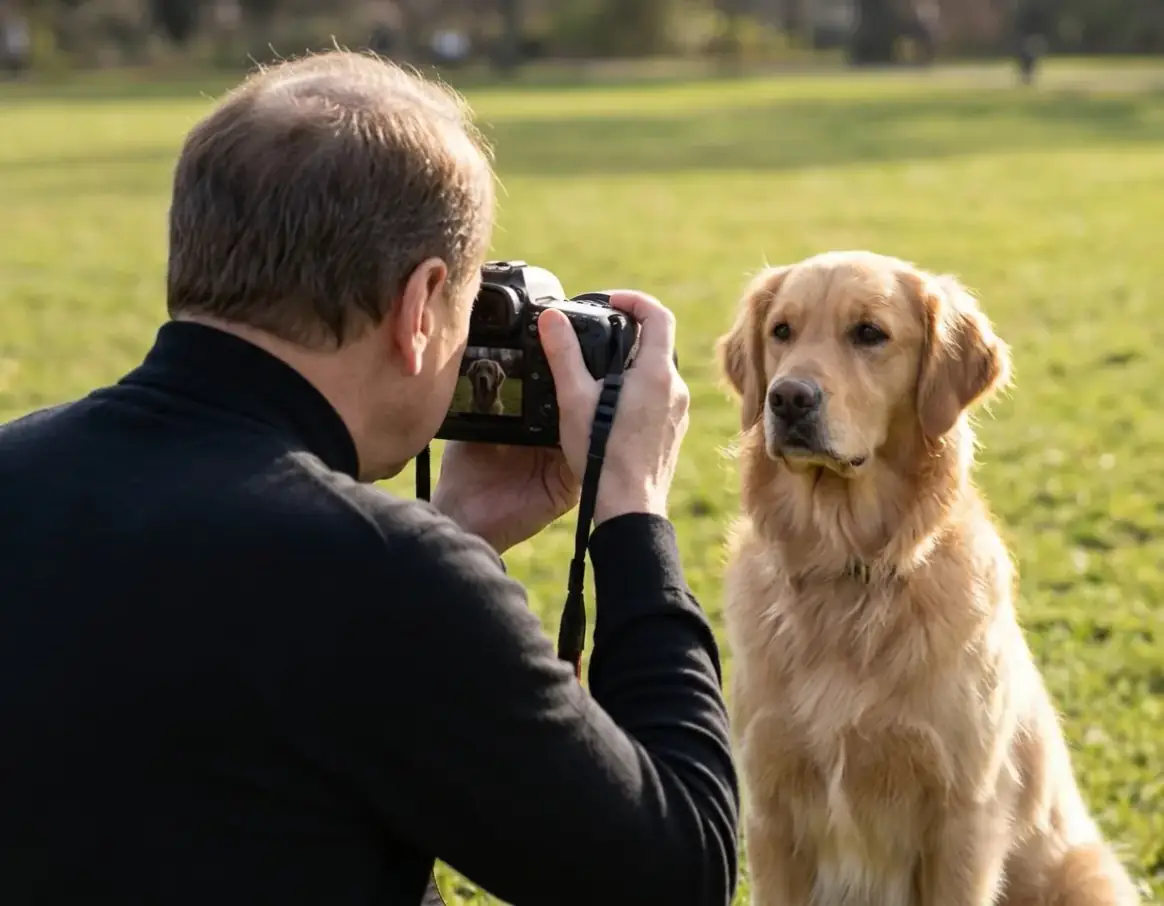
Chris McCarthyProfessional Dog Photographer · Rockland, MA · 11+ years experience
I've photographed hundreds of dogs across the South Shore and Boston since 2014 — every breed, size, age, and temperament. My own rescue, Sully, was reactive and anxious when I got him, and working with him every day taught me how to photograph dogs that other photographers find difficult. I specialize in reactive and shy dogs, seniors, and memory sessions — the sessions that matter most and need the most patience.